Peter Thiel Palantir: Power, Influence, and the Future of Technology
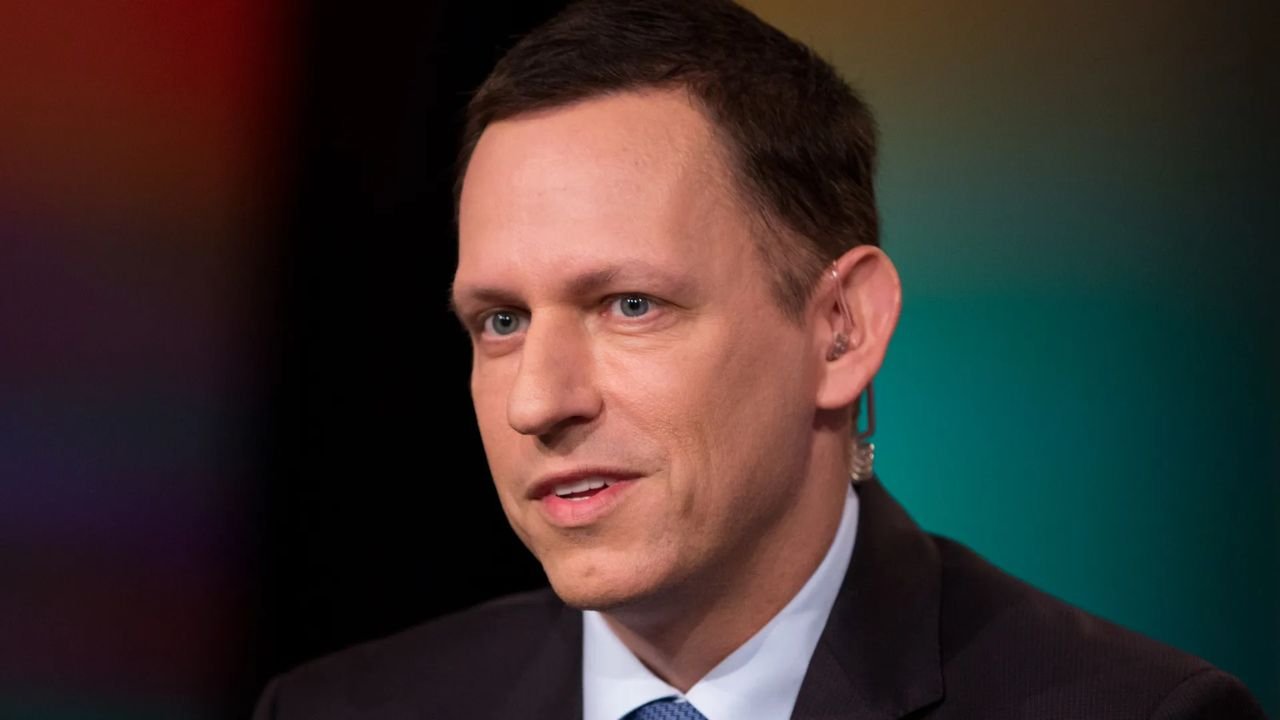
Peter Thiel is a very intriguing and amazingly controversial person in Silicon Valley. Thiel is also an early investor in Facebook and a primary investor in ventures such as SpaceX and LinkedIn, making him known as the co-founder of PayPal and Palantir Technologies as well as a visionary investor. However, his presence is felt in other areas other than business like politics, philosophy, and the future of world technology. Peter Thiel Palantir role at Palantir specifically has positioned him as one of the most discussed personalities at the point of contact between the world of technology, government and society.
Palantir, named after the “seeing stones” in J.R.R. Tolkien’s The Lord of the Rings, was designed to analyze and interpret massive datasets. Today, it is used by governments, defense organizations, and corporations worldwide. While many hail Palantir as a powerful tool that helps uncover criminal networks, fraud, and national security threats, critics point out its potential dangers to privacy, democracy, and individual freedoms. Understanding Peter Thiel Palantir’s connection with Palantir means looking at his entrepreneurial philosophy, his book Zero to One, and the way he has shaped technology in both innovative and unsettling directions.
Thiel is an advocate of constructing businesses that do not merely compete, but establish monopolies by being innovative. In his bestseller book Zero to One, he claims that true progress cannot be achieved by duplicating the existing ideas but by developing something completely new. This philosophy had a direct correlation to the way Palantir was developed; instead of being another analytics software, it was a platform that was meant to transform the way information is processed by governments and institutions. The corporation does not have its origins in the advertising-based consumer technology of many of the Silicon Valley giants but in national defense, law enforcement, and intelligence. This is, on its own, a distinctive difference and it connects with the vision of Thiel of companies that have key roles in defining the future.
Peter Thiel’s Zero To One
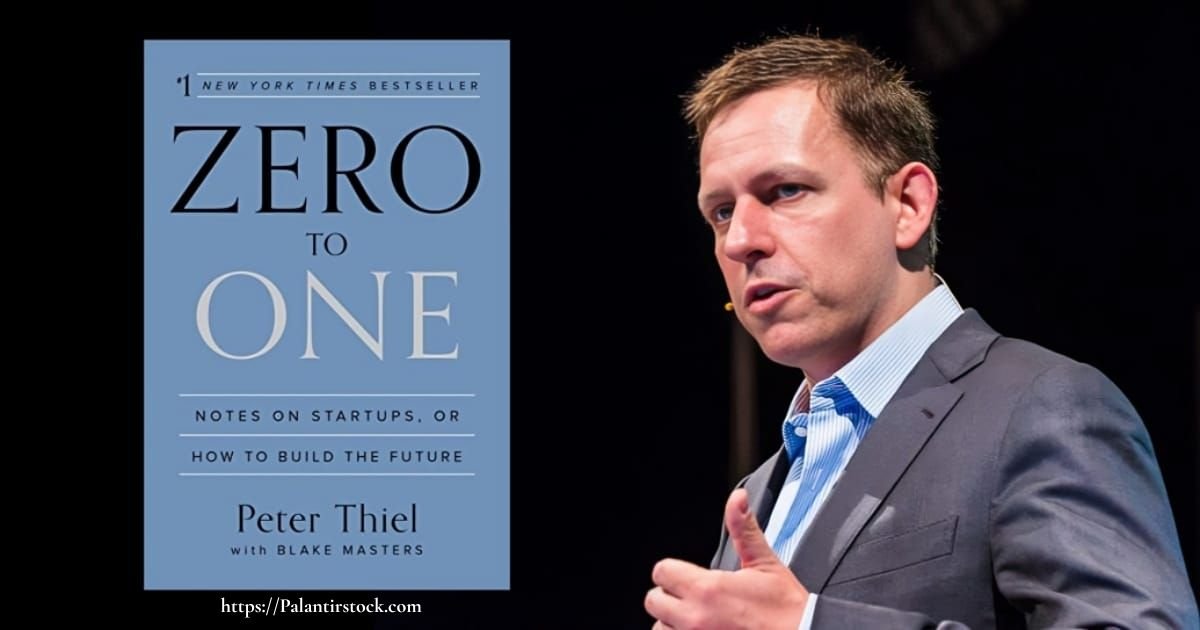
Thiel’s book Zero to One: Notes on Startups, or How to Build the Future provides a roadmap for thinking differently about innovation. Instead of focusing on incremental growth, he emphasizes leaps of progress—moments when new ideas push the world forward. Below is a table that summarizes the eight major lessons from the book:
| Key Lesson | Core Idea |
| Each Moment Happens Once | Innovation is about creating something new, not copying past successes. |
| There is No Formula | Entrepreneurship cannot be reduced to a fixed method—it requires first principles thinking. |
| The Best Interview Question | Asking “What important truth do very few people agree with you on?” reveals unique insights. |
| A Company’s Most Important Strength | Startups succeed through new thinking and agility, not just speed. |
| What Does Everyone Agree On? | By questioning common assumptions, entrepreneurs uncover hidden opportunities. |
| Progress Comes From Monopoly, Not Competition | True innovation requires creative monopolies that focus on the long-term. |
| Rivalry Overemphasizes Old Opportunities | Competitors become distracted by copying each other instead of innovating. |
| Last Mover Advantage | The greatest companies dominate by being the last major innovator in a field. |
These lessons illustrate how Thiel views business and innovation. For him, the future belongs to those who don’t just adapt to markets but create them. Palantir embodies this belief—it didn’t simply compete in data analytics; it defined a new category of intelligence software.
Peter Thiel: Career, Investments, and Legacy
- PayPal Co-Founder: Peter Thiel Palantir is still a partner at Founders Fund, where he helps plan the firm’s strategy and guides big investments.
- Big Investments: Founders Fund has invested in top companies like Stripe and SpaceX.
- Palantir Technologies: Thiel also co-founded Palantir, a data startup supported by the CIA, which became public in 2020.
- Facebook Investment: Thiel was the first big investor in Facebook. He sold most of his shares and left the company’s board in 2022.
- Thiel Fellowship: Through the Thiel Foundation, he gives young entrepreneurs $100,000 for two years to skip college and build their own business.
- Move to Los Angeles: In 2018, Thiel moved from San Francisco to Los Angeles, saying Silicon Valley had become a “one-party state.”
Peter Thiel’s Vision, Democracy, and the Palantir Dilemma
When looking at Palantir through this lens, it is clear why Thiel was drawn to the idea. At a time when technology companies were focusing on consumer markets, Palantir turned toward governments and security agencies, promising to make sense of enormous data sets to fight terrorism, track financial crimes, and manage complex logistics. The company’s software, Gotham and Foundry, became tools for intelligence agencies, law enforcement departments, and even health organizations. In many ways, Palantir fulfilled Thiel’s idea of a monopoly born out of unique insight—few competitors could replicate its deep integration with government data systems.
Nevertheless, Palantir has come under a lot of controversy. Civil rights organizations claim that its technology contributes to massive surveillance and endangers the democratic freedoms. The news of Palantir engaging in immigration control, predictive policing and the amalgamation of personal data has alarmed privacy advocates. The criticism struck particularly high when the Trump administration was in office, in which Palantir software was allegedly employed to aid immigration crackdowns and deportations.
These debates are also intensified by Peter thiel palantir and his political views. Regarded as having libertarian inclinations, Thiel has been critical of democracy and was quoted saying that he no longer believes that freedom and democracy are compatible. His political impact, from backing Donald Trump in 2016 to his work with individuals such as J.D. Vance has not only made him a tech entrepreneur but a political power broker as well. His critics state that his companies, such as Palantir, are symptomatic of a worldview in which private corporations exercise enormous power over the lives of the people.
The more general question is whether the future Thiel sees can be democratic. In Zero to one, he cautions against the blind competition and encourages the entrepreneurs to take the daring contrarian route. Palantir can be described as sharing this philosophy, but the question is: is audacity sufficient when the situation at hand would be surveillance, security, and individual liberties? According to the supporters, Palantir tools aid in the prevention of terrorism and also in the security of the nations against threats that would not have been detected otherwise. Critics interpret it as a trend in which corporations gain greater power than states and people to achieve less transparency and accountability.
To make the matter even more controversial is the Palantir CEO Alex Karp who at one point in time described the mission of their company as not just to serve the institutions but at times to frighten the adversaries and even kill them. These words give rise to fears that the technology created by Palantir is not a neutral one but a means of influence and control.
At its heart, the story of Peter Thiel and Palantir is a story about the dual nature of technology. On one hand, innovation creates tools that can protect, improve, and transform societies. On the other hand, those same tools can be used to concentrate power, limit freedoms, and erode democratic safeguards. The future of Palantir, and by extension Thiel’s legacy, may depend on how these tensions play out in the years ahead.
Like Tolkien’s palantír, the technology offers the promise of seeing beyond normal human capacity, but also the risk of distortion, manipulation, and control. Whether Palantir becomes a tool for progress or a symbol of technological overreach will be determined not just by its founders but by society’s willingness to hold such powerful companies accountable.
Also Read About: Palantir AI Stock Growth Potential: Analysis of Strengths, Risks, and Future Outlook


